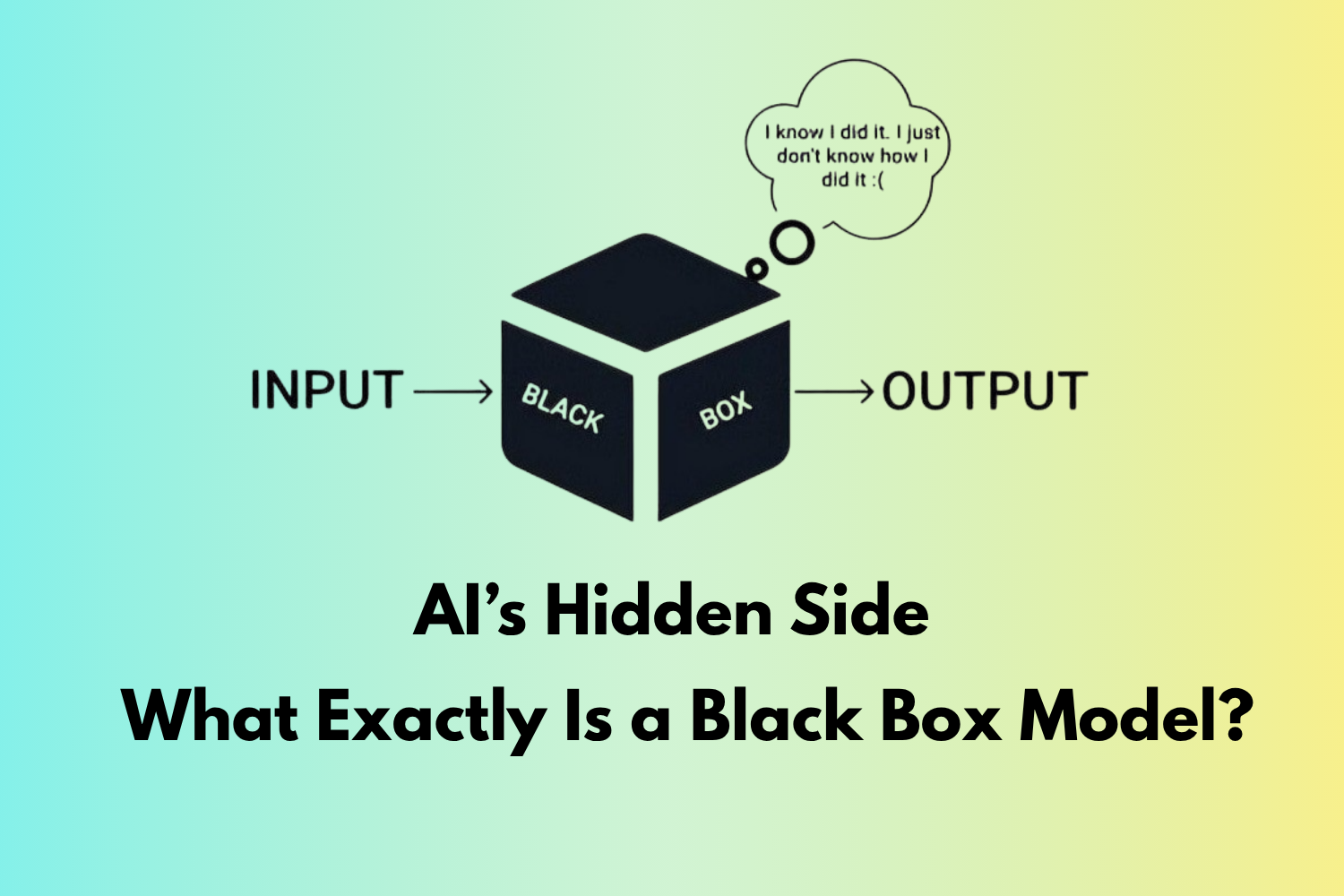
What is BlackBox AI, really?
The concept of BlackBox AI comes into play when an AI generates an output without any human understandable reason. Though we get the answer, but not the “why”. This opaqueness makes it hard to trust, challenge or even improve the result.
Why This Opaqueness Even Matter
- Trust: People are more likely to trust engines when they can see the logic behind the decision.
- Accountability: If at all anything goes wrong, teams need to detect where and why the problem arose. A black box makes the detection slow, costly and time consuming.
- Fairness: Without visibility, there can be hidden bias which can be hidden in plain sight.
Here’s everyday BlackBox AI moments you probably have jumped into, without even noticing the ‘Why’ behind them:
- Streaming Recommendation: “Because you watched…” is the friendly label, the actual reasons are hidden (skips, replays, time of day).
- Email spam and “Important” tab: Messages directly lands into Spam, Promotions, or Primary tabs with no clear human readable rulebook.
- Credit and Insurance: A “loan application approved/denied” lands in someone’s inbox without a reason they can act on.
We don’t need all the internal logics line by line, what we need is some human-level explanations. It is like transitioning from a sealed “black box” to a “glass box”, not every detail is visible but enough to make better decisions.
How To De-BlackBox AI
We've discussed how "black-box AI" conceals its logic like a magician guarding their tricks. The good news? We can gradually lift the curtain. Here are several useful, human methods for improving the clarity and trustworthiness of AI decisions.
- Make judgments based on level of risk. Not every AI proposal requires the same degree of examination. Richer explanations are needed for high-impact calls.
- Make Bias Checks as routine not a rescue plan. Plan regular evaluations using simple measurements and explicit corrective measures.
- Allow people to report the results that are unclear or unfair, then feed their comments back into your model. As a result, your system continues to learn in the direction of fairness, clarity, and trust.
- There are now ways for AI developers to see inside the machine. The data points that had the biggest impact on a result can be displayed using tools like LIME, SHAP, or model dashboards. Users don't need to see every technical detail; just present the insights in an understandable manner.
Black-box AI is a trust issue rather than only a technical term. Adoption soars and danger decreases when teams combine robust models with straightforward, truthful explanations.
At Konnectify, we believe every company can go from “Just Using AI” to “Understanding It With Purpose”.
The outcome? clearer communication, smarter systems, and happier, more self-assured users.